
How Speakers Influence Leadership and Workplace Culture
Let’s Start
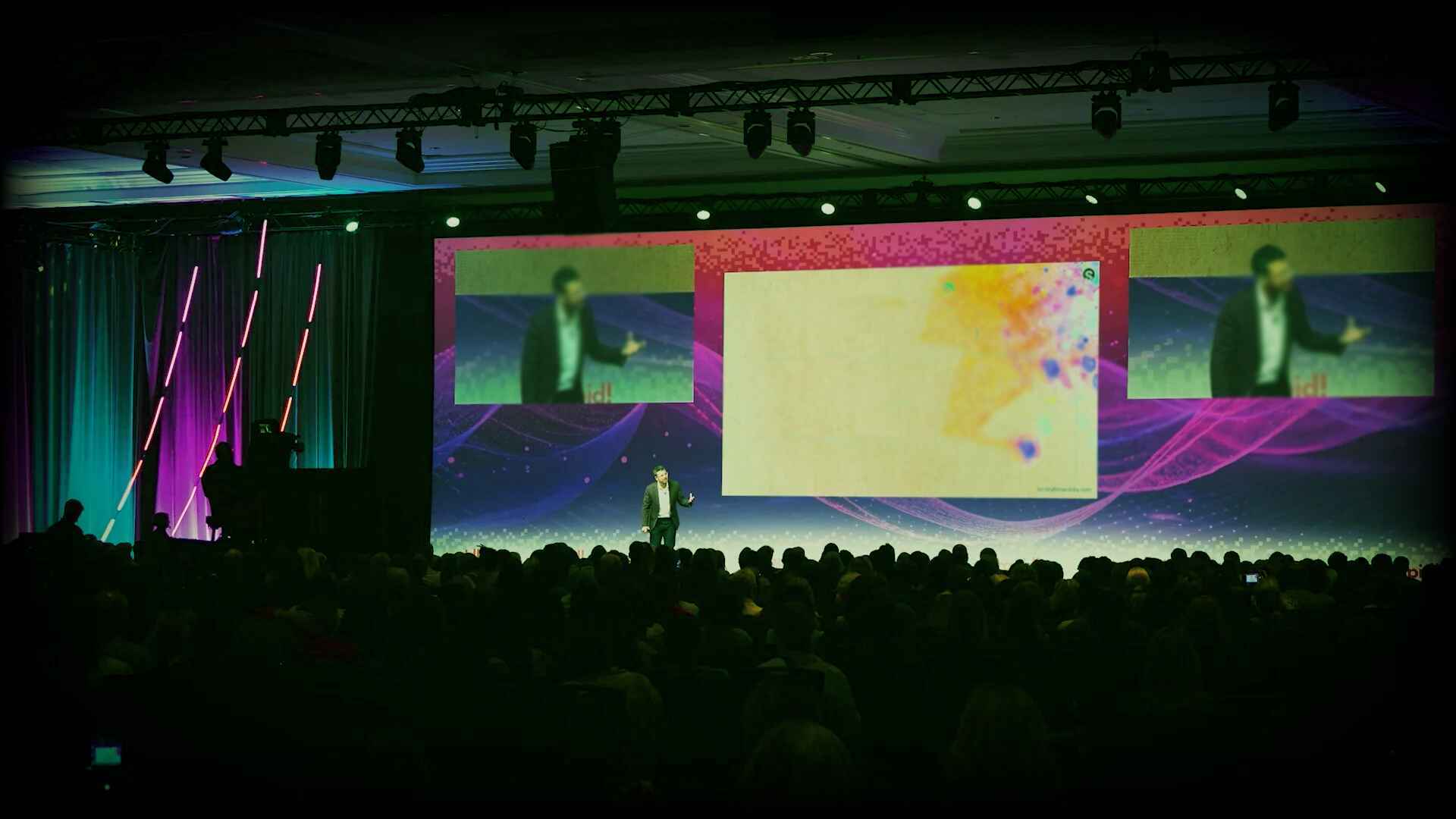
In the rapidly changing corporate world of today, leadership and workplace culture are key factors in determining an organization's success. Culture is shaped by people, not by policies and plans, and a leadership speaker is one underappreciated change agent. Leadership development and cultural change are significantly impacted by motivational speakers for the workplace, whether they are presented at conferences, workshops, or internal training sessions.
Speakers play a more important role in company culture than ever before by coordinating strategy vision with employee motivation. Let's examine how a successful company culture, creativity, and leadership behaviors can be influenced by the proper speaker.
1. The Influence of a Leadership Speaker on Mindsets
A leadership speaker inspires changes in organizational thinking in addition to giving a presentation. They assist executives in shifting their attention from daily operations to vision, strategy, and culture building by disseminating real-world anecdotes, strategic frameworks, and practical ideas.
Outstanding speakers motivate executives to embrace a development mindset, promote openness, and effect significant change. These presenters frequently incorporate ideas like automation, data analysis, and AI-driven solutions into their talks as businesses traverse digital transformation, assisting leadership teams in comprehending the intersection of technology and culture.
A powerful keynote address can establish clear expectations for behavioral change and strategic priorities, laying the groundwork for leadership and culture building.
In reference to this, you can explore our article, “The Impact of a Leadership Speaker in Shaping Future Leaders”!
2. How Leadership Development Is Promoted by Corporate Speakers
Corporate leadership training programs can be greatly improved by hiring a keynote speaker or corporate speaker. These presenters challenge conventional wisdom with their fresh viewpoints and creative methods. They cover subjects like:
- Using predictive analytics to make decisions effectively
- Using AI to lead overcome ambiguity in business insights
- Developing emotional intelligence and empathy in addition to digital innovation
By taking a comprehensive approach, organizations can cultivate leaders who are tech-savvy, culturally sensitive, and flexible. A leadership development speaker has the ability to turn leadership programs from ordinary meetings into impactful events that influence the course of a company.
3. Motivational Speakers for Transforming the Workplace
The workplace of today is dynamic, varied, and frequently dispersed. A motivational speaker for workplace serves as a link between employee engagement and leadership intent. Through the integration of motivational stories and useful strategies, they generate enthusiasm and drive among groups.
An employee engagement speaker, for instance, can assist leaders in customizing engagement methods by assisting them in comprehending behavioral patterns through behavioral targeting and consumer data analysis. In order to make sure that leadership messages are deeply understood by various employee groups, speakers may also apply hyper-personalization strategies and marketing automation tools tailored for internal communications.
Better communication, more alignment with business principles, and higher customer satisfaction through happier, more engaged teams are the quantifiable results.
4. Speakers as Initiators for Enhancing Workplace Culture
It takes more than one-time efforts for workplace culture improvement in a sustainable way. It requires that common beliefs and actions be continuously reinforced. Organizational culture speakers provide this support by using case studies, performance indicators, and motivational success stories to highlight the observable advantages of a positive culture.

Strong culture and business outcomes, such as ROI, productivity, and conversion rate optimization, are linked, they stress. Workplace transformation speakers can assist businesses in bridging the gap between the objectives of leadership and the implementation at the grassroots level. In order to provide immersive learning experiences, their programs frequently integrate technology such as chatbots for client contact, virtual help, and augmented reality.
5. The Influence of Speakers on Leadership Conduct
Motivation is only one aspect of the subject of how speakers impact leadership. The way leaders think, make decisions, and interact with others are all influenced by the speaker they choose. To enhance communication and foresight, they urge leaders to adopt generative AI, multimodal AI, and natural language processing.
For example, speakers may relate leadership methods to sales forecasting, sales enablement, and predictive lead scoring in sales-driven firms. By doing this, they link leadership behavior to observable business results like increased lead generation, better sales optimization, and a higher click-through rate (CTR).
Essentially, speakers give leaders the attitude and resources they need to succeed in a business environment that is data-rich and enhanced by artificial intelligence.
6. Using Motivational Speakers to Change the Corporate Mindset
A corporate mindset transformation is necessary for true cultural change, and here is where motivational speakers for businesses come in very handy. They support businesses in embracing innovation, eschewing inflexible systems, and creating agile cultures.
A lot of motivational speakers present frameworks that combine leadership techniques with digital transformation. They illustrate how leadership behaviors directly influence organizational identity through the use of real-world case studies and prediction findings. They might also emphasize how implementing technologies like voice search optimization, marketing automation, and hyper-personalization can boost external branding and internal efficiency.
Their workshops encourage executives to develop into visionaries who can combine technology foresight with human sensitivity.
7. Including Data Analytics and AI in Leadership Training
Without AI, modern corporate leadership training is lacking. Predictive analytics and AI-driven insights are being used more often by leadership speakers to assist executives in understanding employee sentiment, anticipating market changes, and making data-driven decisions.
A leadership development speaker might, for instance, demonstrate how data analysis might indicate cultural misalignments or uncover hidden performance gaps. Organizations can improve performance, foster cultural cohesion, and develop more effective leadership techniques by putting these findings into practice.
AI is a potent amplifier in this situation, not a substitute for leadership. Speakers who are able to articulate this equilibrium frequently end up becoming important collaborators in long-term societal change.
8. The Return on Investment of Hiring Speakers for Workplace Transformation
There are both measurable and intangible benefits to hiring a leadership speaker or workplace transformation speaker. Measurable gains in productivity, enhanced customer satisfaction, and employee engagement are all examples of tangible ROI. Improved trust, teamwork, and creativity are examples of intangible benefits that are essential for succeeding in a corporate environment that is changing quickly.
To assess the impact, many businesses monitor performance indicators both before and after leadership events. The enhancements frequently have an impact on lead generation, client relations, and general company agility outside of the workplace.
9. Practical Example: Using Strategic Speaking to Change Culture
Think about a mid-sized software company that is having trouble with low engagement and isolated teams. To conduct a three-day session, they brought in a motivational speaker for the workplace and a keynote speaker for leadership. The use of AI, cultural values, and leadership agility were the main topics of discussion.
- The business recorded a 25% rise in internal communication ratings in just six months.
- An increase in innovation submissions of 30%
- A quantifiable increase in conversion rates as a result of better team coordination
This illustration demonstrates how the role of speakers in corporate culture goes beyond motivation to include quantifiable change.
Final Thought: speakers can be strategic assets for culture and leadership
The impact of corporate speakers and leadership speakers has grown significantly outside of the stage in the era of artificial intelligence, analytics, and digital transformation. These days, they are strategic assets that influence leadership conduct, motivate cultural changes, and produce quantifiable corporate results.
These speakers offer innovative viewpoints, cutting-edge insights, and practical solutions for anything from corporate mindset transformation to workplace culture improvement. In addition to developing better leaders, organizations that invest in the proper inspirational speakers for companies also create environments that adapt well to change.
To put it briefly, speakers transform rather than merely influence!!
- Amit Jadhav
www.amitjadhav.com