
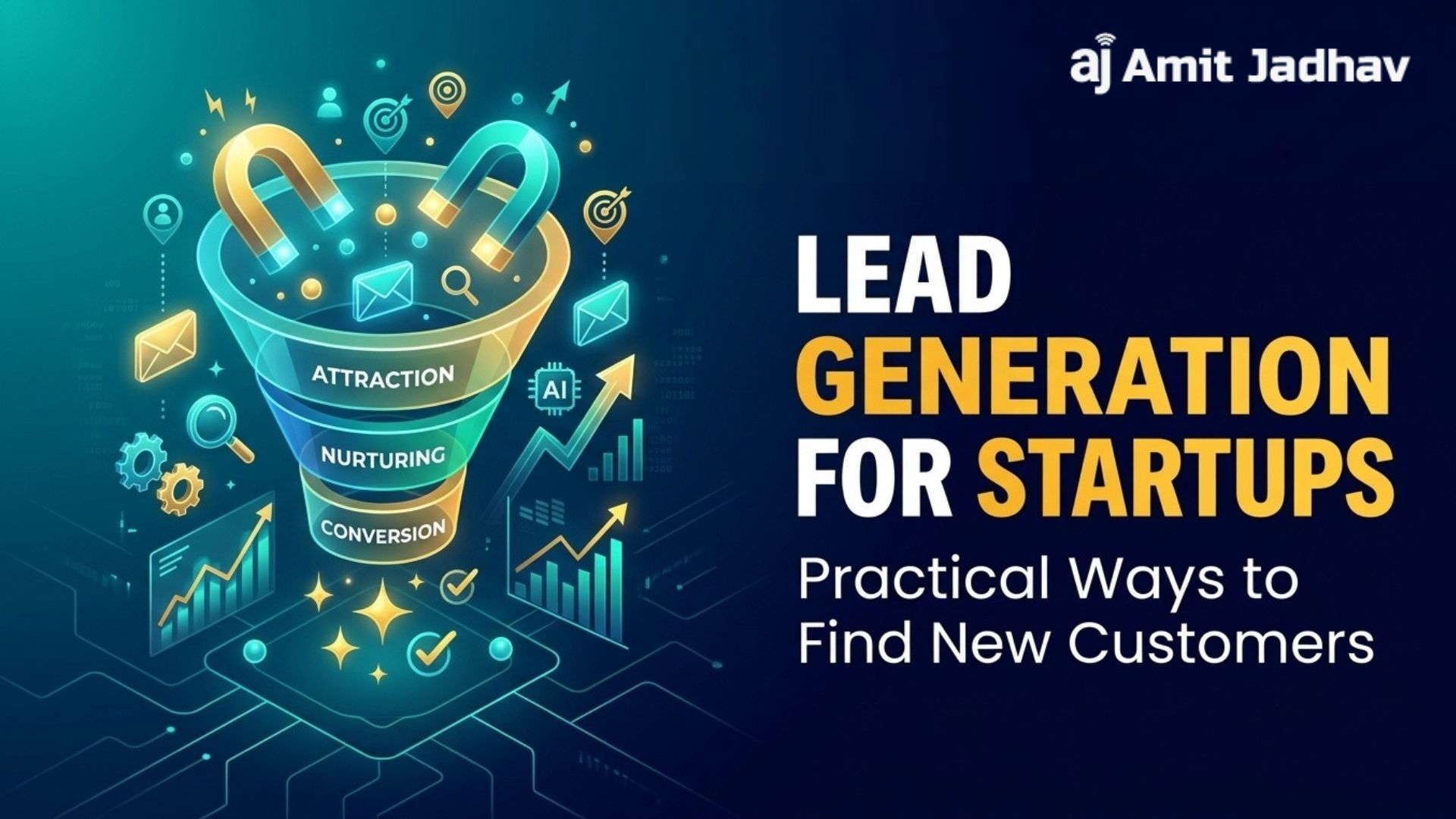
Lead Generation for Startups: Practical Ways to Find New Customers
What is Lead Generation?
Launching a startup is an exciting journey, but attracting customers who are ready to invest in your products or services is not always easy. Lead generation allows startups to reach potential buyers, develop trust, and create new business opportunities. By following the right lead generation strategies, startups can connect with their target audience without putting too much pressure on their marketing budget.
Unlike well-established companies, startups usually have limited resources, smaller teams, and lower brand visibility. Therefore, they need to focus on marketing activities that attract genuine prospects, encourage meaningful interactions, and contribute to steady business growth.
Why Lead Generation Is Essential for Startups
A regular flow of potential customers is necessary for any startup that wants to grow and remain competitive. Even if you offer an excellent product or service, it will not generate sales unless the right people know about it. Reaching interested audiences and showing them how your offerings can help is an important step towards business success.
An effective lead generation for business approach helps startups:
- Make connections with audiences interested in their products.
- Develop long-term relationships with potential buyers.
- Create more sales opportunities and increase revenue.
- Gain insights into customer expectations and requirements.
- Manage customer acquisition expenses more effectively.
Instead of marketing to a large, unrelated audience, startups should concentrate on people who are more likely to purchase their products or services.
7 Practical Lead Generation Strategies for Startups
1. Understand Your Target Audience
The first step towards successful marketing is knowing exactly who your potential customers are. Startups should define their ideal audience by considering factors such as industry, location, interests, business requirements, buying habits, and existing challenges.
For instance, a startup selling software to manufacturing businesses should target factory owners, production managers, and operations professionals instead of approaching a general audience.
When you understand your audience, it becomes easier to develop relevant marketing messages, select suitable communication channels, and avoid unnecessary marketing expenses. This also helps improve your customer acquisition strategies.
2. Attract Prospects Through Content Marketing
Content marketing for lead generation helps startups establish an online presence while building credibility among potential customers. Before purchasing a product or service, people often look for information and solutions to their existing problems.
Startups can publish informative blogs, social media updates, case studies, videos, guides, and FAQs to address these requirements.
For example, a company offering HR software can write about ways to make employee management easier. This can attract businesses searching for better HR solutions.
Regularly publishing valuable information also strengthens inbound marketing strategies, allowing potential customers to find your business through search engines and social media platforms.
3. Turn Your Website into a Customer Acquisition Channel
A company's website should do more than just list its products and services. It should also motivate visitors to take action, such as requesting a product demo, submitting an enquiry, downloading a guide, or booking a consultation.
For better landing page optimization, use attention-grabbing headlines, useful information, straightforward forms, and clear calls to action. Keep the page simple so visitors can easily understand what to do next.
Sales funnel optimization and conversion rate optimization help businesses understand why visitors leave a website and identify opportunities to turn more of them into potential customers.
A focused landing page with a clear purpose can deliver better results than a website filled with unnecessary information.
4. Focus on B2B Lead Generation and Direct Outreach
Startups that sell products or services to other businesses need a targeted approach to B2B lead generation. Business buyers generally need time to research available solutions, compare providers, and evaluate their options before making a purchase.
Outbound lead generation offers an opportunity to connect with prospects directly through LinkedIn, customized emails, phone calls, and business networking events.
Rather than sharing standard promotional messages, understand the challenges faced by each prospect and explain how your solution can address them.
For example, a cybersecurity startup can approach IT professionals and business owners looking to strengthen their company's data security.
Find out more about B2B and B2C lead generation strategies through our blog post, “Proven Lead Generation Techniques for B2B & B2C!”
5. Build Relationships Through Email Marketing
A potential customer may not be ready to purchase the moment they discover your business. They might need additional details, time to compare options, or more confidence in your offering.
Email marketing for leads allows startups to maintain communication with interested prospects through informative newsletters, product announcements, customer stories, special offers, and helpful resources.
With suitable lead nurturing strategies, businesses can send personalized emails according to customer interests and previous interactions. Marketing automation tools also simplify email scheduling, contact management, and engagement tracking.
The focus should be on providing useful information and developing customer trust rather than sending frequent promotional emails.
6. Improve Marketing and Sales Activities with AI and Automation
AI in business is helping startups manage marketing and sales activities more efficiently. AI-driven solutions can analyze customer behavior, study campaign results, support content creation, and reduce repetitive manual work.
Startups can use Automation, Predictive Analytics, Data Analysis, and Generative AI to:
- Discover potential buyers using available customer information.
- Prepare personalized emails and marketing content.
- Apply predictive lead scoring to identify promising prospects.
- Schedule follow-ups and improve customer engagement.
- Use Chatbots and virtual assistance to handle common customer enquiries.
Technologies such as natural language processing and Multimodal AI are also creating new ways for businesses to communicate with customers and process information. As digital transformation progresses, startups can use these developments to strengthen sales optimization and improve marketing productivity without significantly expanding their workforce.
7. Measure Results and Strengthen Your Lead Generation System
Marketing efforts need regular monitoring to understand what is working and where improvements are necessary. Startups should review important performance metrics to evaluate the quality and effectiveness of their campaigns.
Some useful metrics include:
- Conversion rate: The proportion of visitors or prospects who finish a targeted action is known as the conversion rate.
- CTR (click-through rate): The number of people who click on links in emails, advertisements, or other marketing content.
- ROI: The returns generated from marketing investments.
- Cost per lead: The amount spent on acquiring each potential customer.
- Customer satisfaction: How customers feel about the products, services, and overall business experience.
Tracking these figures helps startups identify successful channels, improve marketing decisions, and make necessary changes to their lead generation system.
Building a Consistent Lead Generation Process for Startups
Customer acquisition should not depend entirely on occasional promotions or unplanned marketing activities. Startups need a well-organized process that brings together content creation, networking, direct outreach, regular follow-ups, and performance tracking.
Start by selecting two or three platforms where your target audience is most active. Share useful content, establish business connections, improve your website, and maintain regular communication with interested prospects.
As the business expands, startups can consider advanced lead generation techniques, explore more digital lead generation channels, or invest in professional lead generation services when needed. Emerging technologies such as Augmented Reality and Hyper-personalization can also be explored when they offer practical value to the business.
Conclusion
Building a successful startup takes time, consistent effort, and a good understanding of customer needs. Effective** lead generation strategies** do not necessarily require large marketing investments. What matters is reaching the right people, earning their confidence, and converting their interest into business opportunities.
By bringing together content marketing, email campaigns, website improvements, AI-powered solutions, and meaningful customer interactions, startups can develop a consistent pipeline of prospects and support long-term growth.
Whether you are starting a new venture or looking to expand an existing one, a well-planned approach to lead generation for marketers and business owners can make customer acquisition more organized and effective.
- Amit Jadhav
www.amitjadhav.com